Precision Alignment for Heavy Equipment
Millwright services in Auburn, Alabama for industrial machinery installation and maintenance.
When your production floor in Auburn depends on machinery that must align within thousandths of an inch, you need millwright work that accounts for concrete settling, vibration patterns, and the weight distribution of equipment that can exceed several tons. J7 Welding handles the installation, alignment, and leveling of industrial machinery so that your equipment runs without premature wear or unexpected downtime.
Millwright services include machinery rigging, precision alignment using laser tools and dial indicators, anchor bolt installation, grouting, and the disassembly or relocation of production equipment. Whether you are adding a new press to your Auburn facility or repositioning conveyor systems after a floor repair, the work requires an understanding of load paths, foundation tolerances, and the clearances needed for maintenance access.
If you are planning equipment installation or relocation in Auburn, reach out to J7 Welding to discuss your project requirements.
What Happens During Machinery Installation
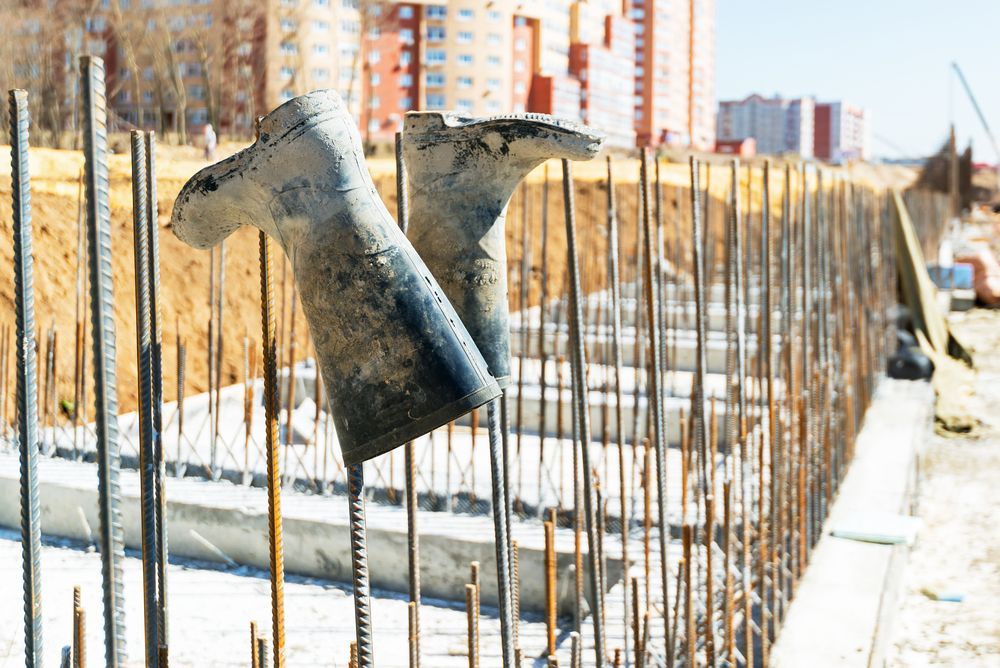
The process begins with a site assessment in Auburn where foundation conditions, overhead clearance, and rigging access are evaluated before any equipment is moved. J7 Welding uses hydraulic jacks, roller skates, and chain hoists to position machinery, then applies precision alignment techniques to ensure shafts, couplings, and mounting surfaces meet manufacturer specifications.
After the work is finished, you will notice that motors run quieter, belts track correctly, and vibration levels drop to acceptable ranges. Properly aligned equipment reduces bearing failure and extends the interval between maintenance calls.
The service also includes shimming, anchor tightening, and final runout checks using dial indicators. If your equipment requires leveling on an uneven slab or grouting to eliminate movement under load, those steps are completed before the machinery is returned to operation. This work does not include electrical hookup or control system programming, which remain the responsibility of your electrician or automation contractor.
We Know This Work Raises Questions
Before scheduling millwright work, most facility managers want to know how long the installation will take, what access is required, and whether production will need to stop. These questions help you plan around the work and keep your Auburn operation moving.
What tools are used for precision alignment? Laser alignment systems, dial indicators, feeler gauges, and machinist levels are used to measure shaft runout, angular misalignment, and offset within thousandths of an inch. You receive documentation showing final readings after alignment is complete.
How long does it take to install a piece of industrial equipment? Installation time depends on equipment size, rigging complexity, and foundation preparation, but most single-machine installations in Auburn are completed within one to three days. You will receive a timeline estimate after the site assessment.
Why does machinery need to be realigned after installation? Concrete foundations settle, anchor bolts compress, and thermal expansion shifts equipment position during the first weeks of operation. Realignment corrects these changes and prevents bearing damage or coupling wear.
What happens if the floor is uneven? Shimming and precision grouting are used to level equipment on uneven slabs. You will see shims placed under machine feet and grout poured to fill voids, creating a stable base that prevents rocking under load.
When should I call a millwright instead of a general contractor? Millwrights are called when work requires precision alignment, heavy rigging, or knowledge of rotating equipment. General contractors typically handle structural or building-related tasks that do not involve machinery setup.
J7 Welding provides millwright services for facilities in Auburn that need machinery installed, relocated, or aligned to manufacturer tolerances. Contact us to review your equipment specifications and schedule a site visit.